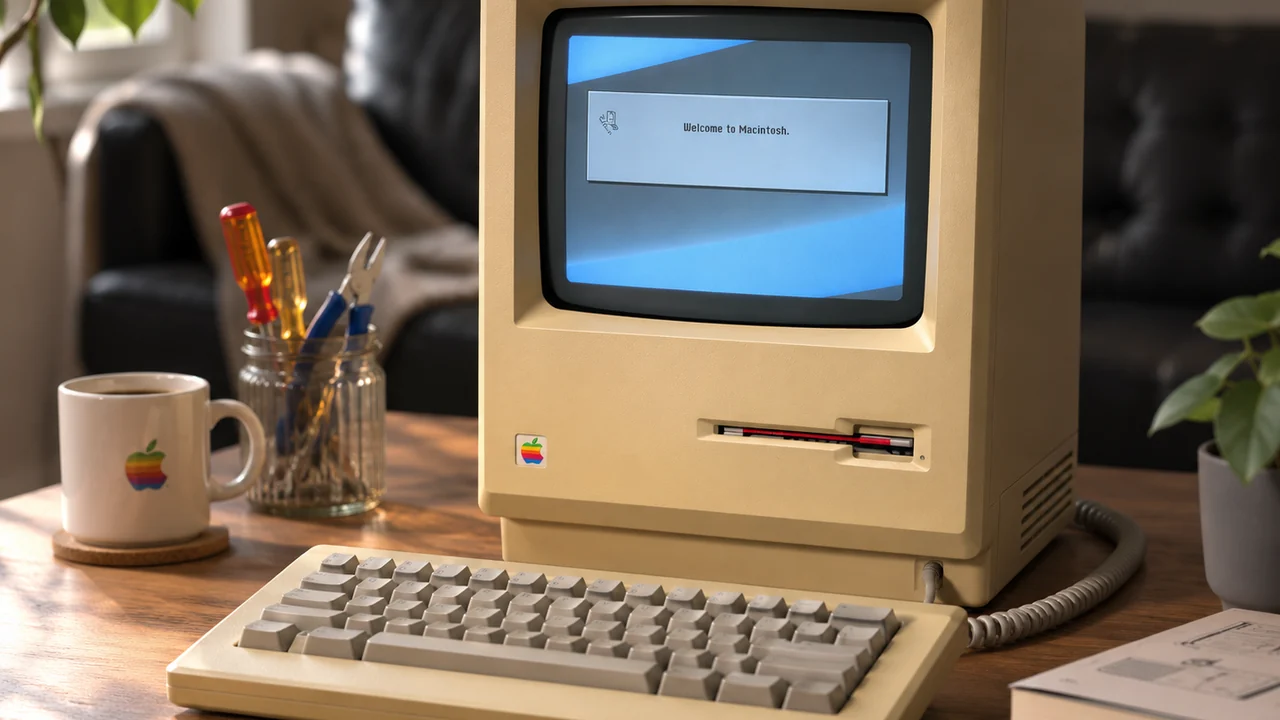
Most of my working day is spent in front of a computer, dealing with software. In my free time, I sometimes find myself doing something quite different: taking a computer apart.
I enjoy buying old Macintosh computers that no longer work properly, figuring out what is wrong with them, and trying to get them running again. Once they are working, I usually sell them and move on to another machine. It is a small hobby, but one I find particularly rewarding.
Inside an old Macintosh
Modern computers are remarkable, but there is something about the early Macintosh that I find especially interesting. The compact beige case, the small CRT screen, the floppy disks and the physical sounds of the machine all belong to a different era of computing.
Opening one up makes that difference even more obvious. The display, circuit boards, cables and floppy drive are all right there in front of you. It is a reminder that behind every piece of software there is a physical machine making it possible.
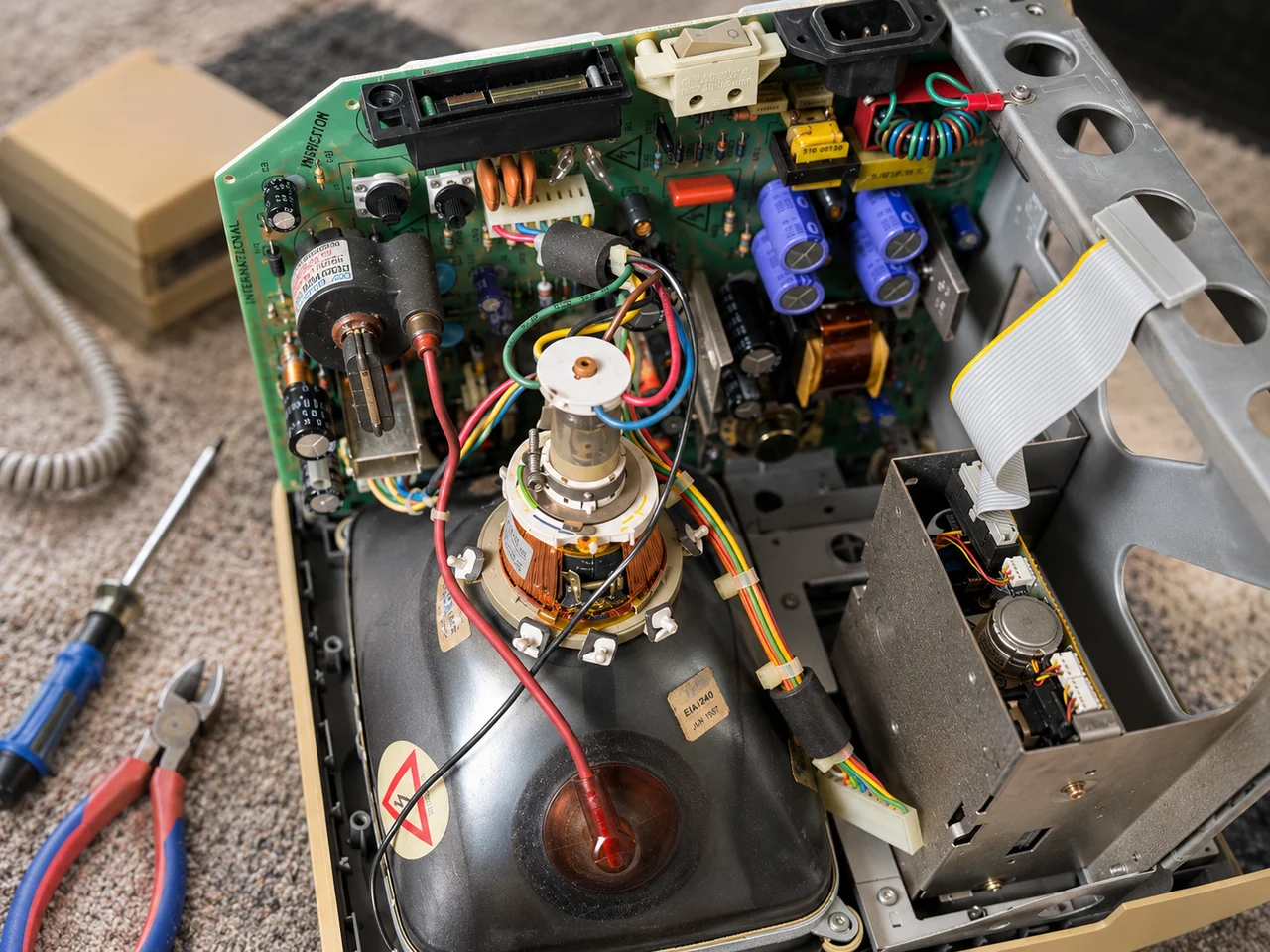
When the living room becomes a workshop
I do not have a dedicated restoration workshop. Sometimes the living room becomes one instead. A keyboard on the sofa, floppy disks on the floor, a few tools, and a computer in pieces are all part of the experience.
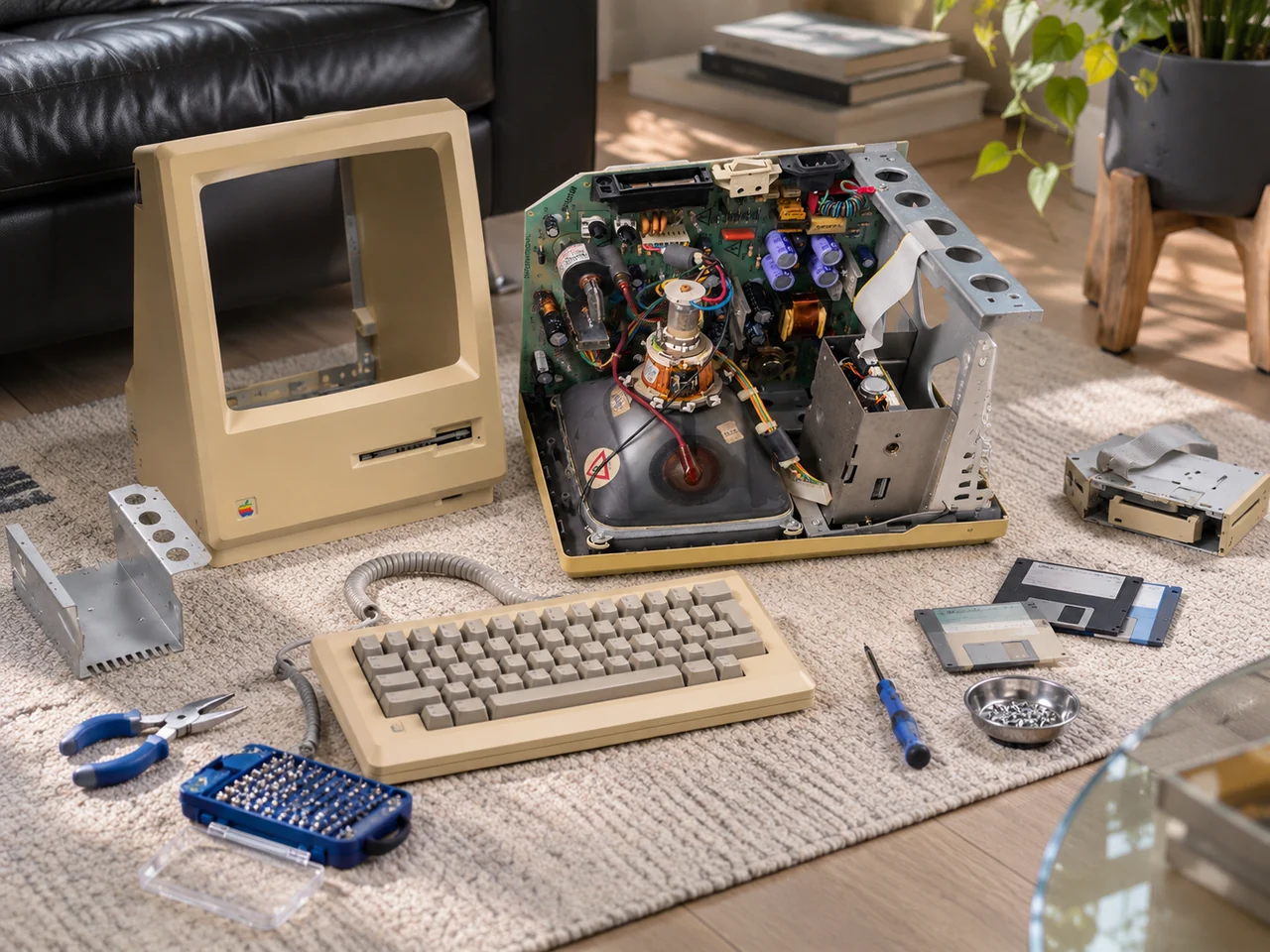
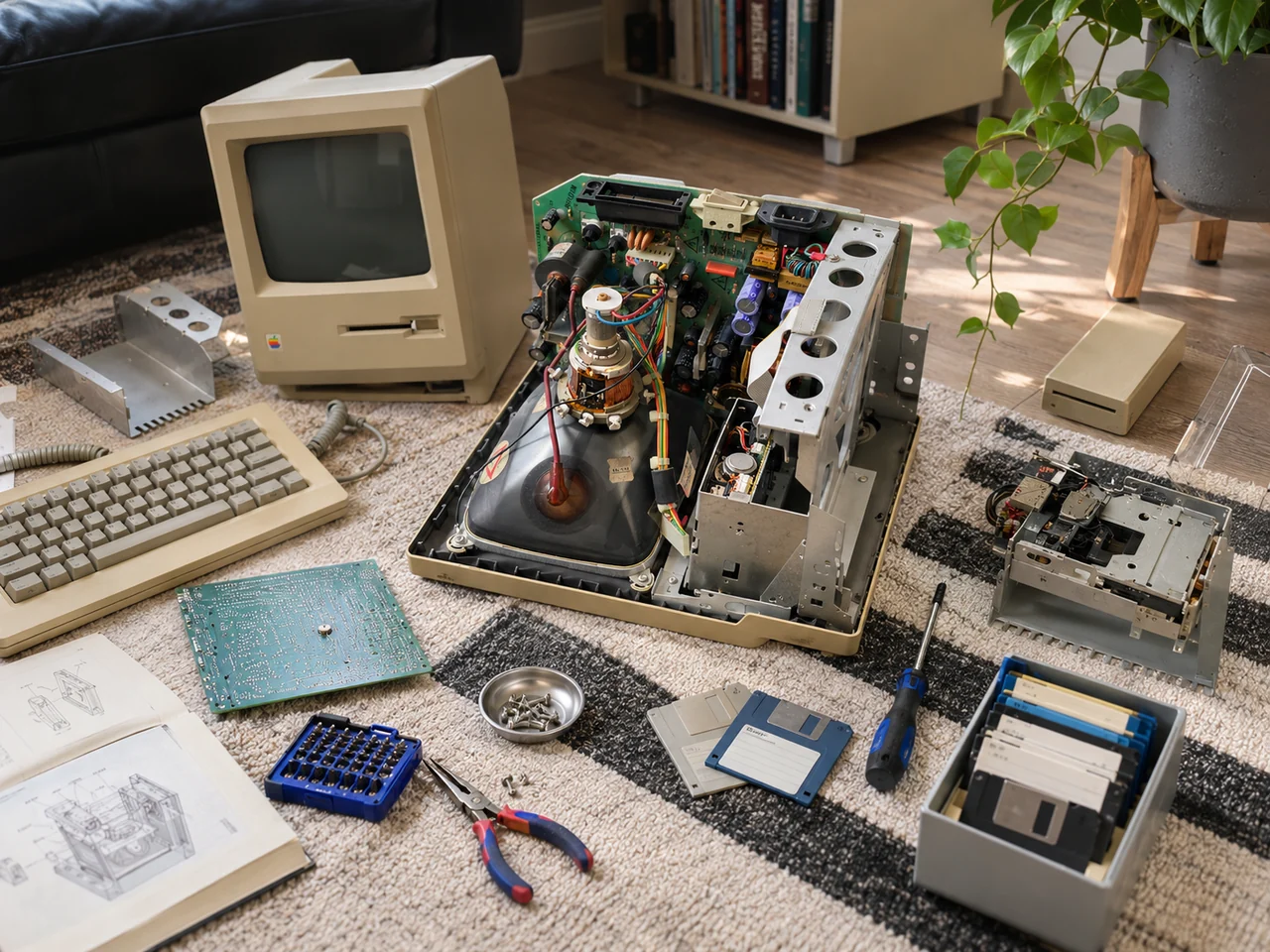
There is a familiar feeling to troubleshooting hardware. Much like debugging software, it starts with observing a problem, making sense of the symptoms and working through possible causes. But with an old computer, the process feels more physical and less abstract.
There is no sprint or deadline. I can spend time exploring how something works simply because I am curious about it. That is one of the things I like most about this hobby.
Welcome to Macintosh
The best part is seeing the computer start up again. A machine that needed attention can eventually display those familiar words: “Welcome to Macintosh.”
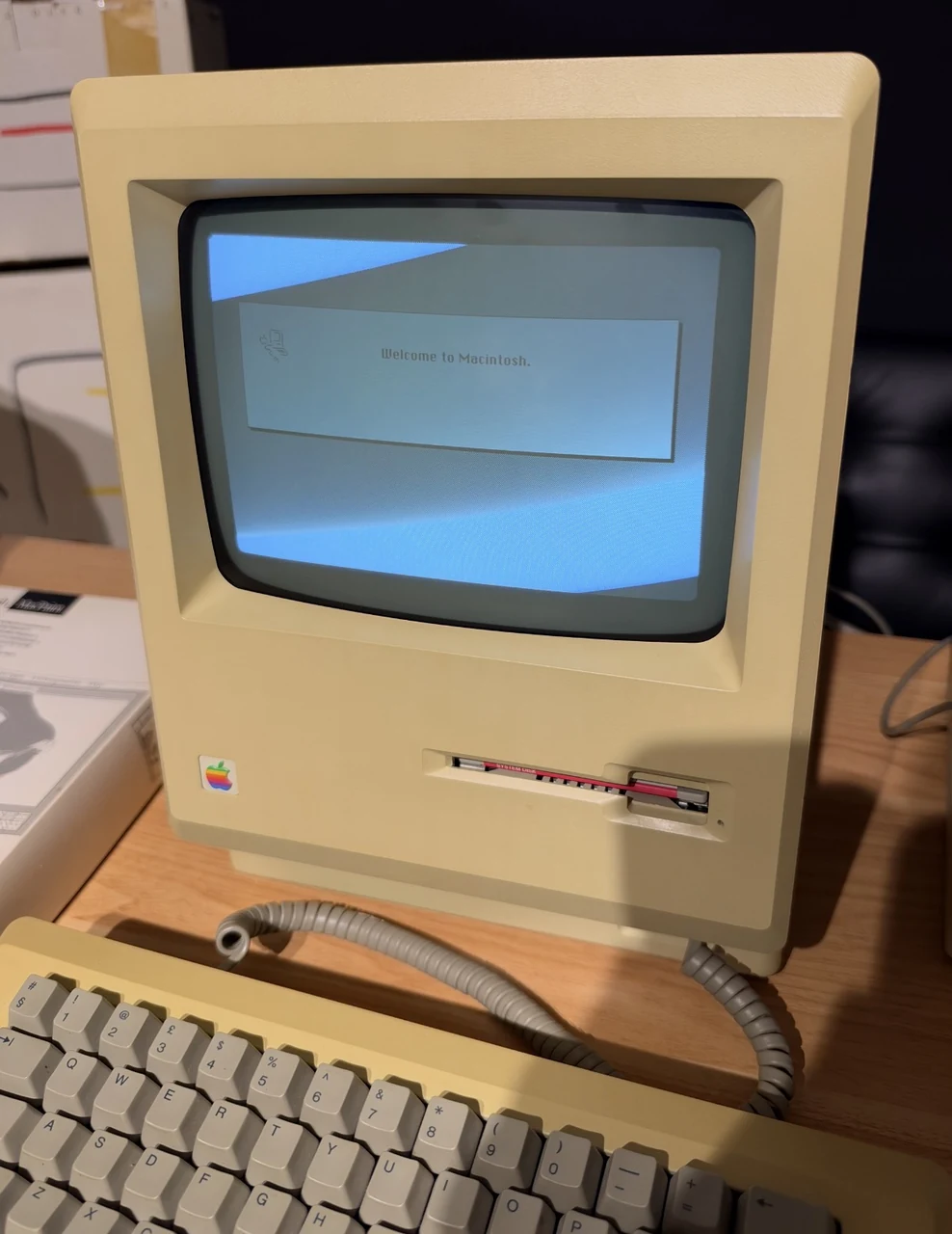
It is a small moment, but it captures why I enjoy doing this. I do not need the machine to be as fast or capable as a modern computer. I just want it to work again, on its own terms.
Passing it on
I do not feel the need to keep every computer I restore. Selling a working machine to someone else who appreciates vintage technology is part of the hobby. It helps make room for the next project and gives another person the opportunity to enjoy a piece of computing history.
For me, the appeal is not in building a large collection or turning this into a business. It is in finding something that needs attention, understanding it a little better, and leaving it in a better condition than I found it.
As a software engineer, I spend much of my time working with technology that is constantly evolving. Restoring old computers offers a welcome change of pace. It is an opportunity to look back and appreciate the engineering that came before us.
Not everything old needs to be replaced. Sometimes, it just needs a little attention.
Safety note: Vintage CRT equipment can retain dangerous voltages even when unplugged. This article describes a personal hobby, not a repair guide.